What Is Documentary Wedding Photography?
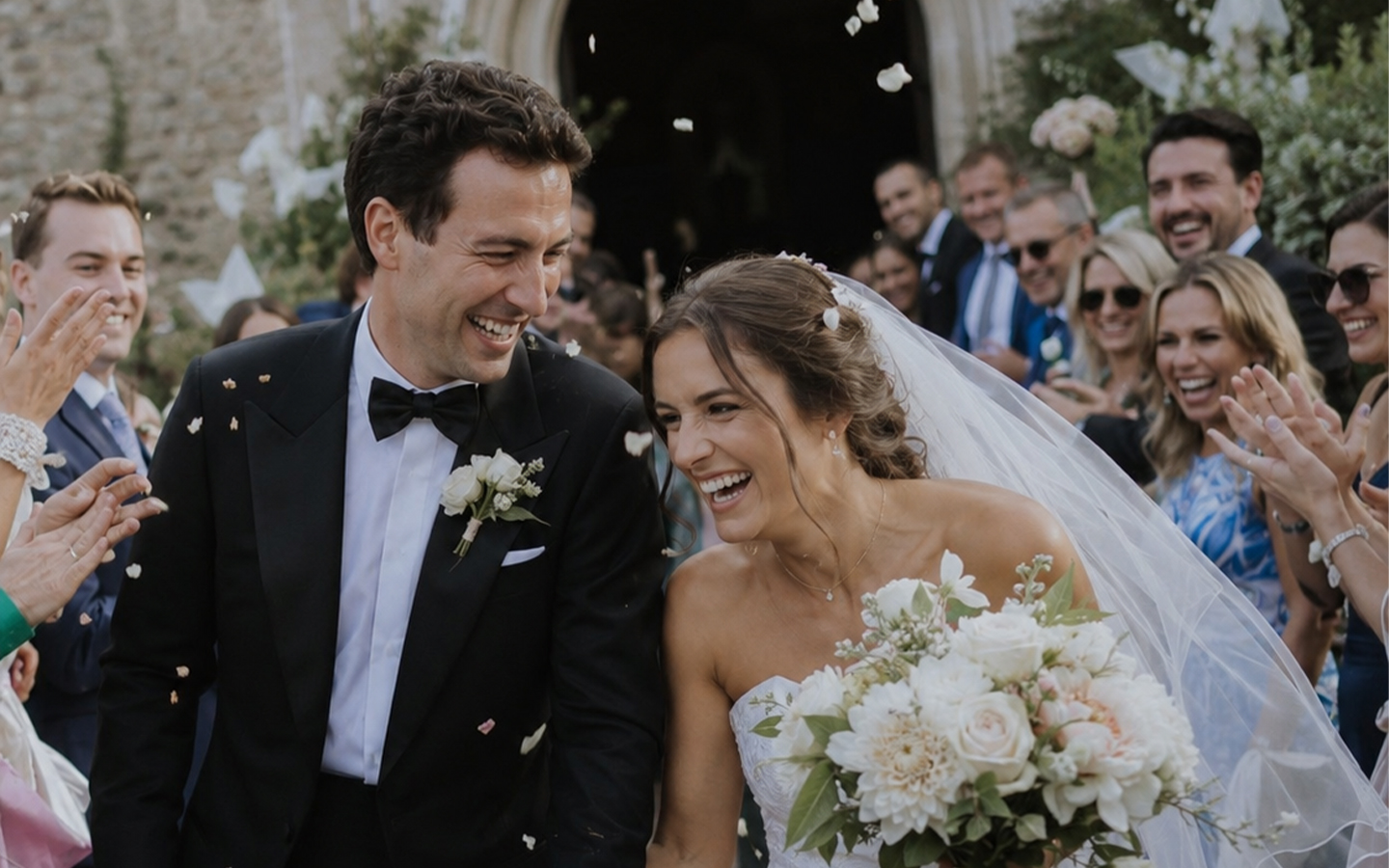
A quiet hand squeeze before the ceremony. Your parents catching each other’s eyes during the vows. Your friends laughing so hard during toasts that nobody notices the camera. These are often the moments couples return to most, which is exactly why so many ask, what is documentary wedding photography?
At its heart, documentary wedding photography is the art of recording your wedding day as it naturally unfolds. Rather than directing every movement or staging every interaction, the photographer observes, anticipates, and captures real events in real time. The result is a collection of images that feels honest, emotional, and deeply personal.
For couples who want their gallery to reflect not just how the day looked, but how it felt, this style offers something incredibly meaningful. It preserves the in-between moments, the fleeting expressions, and the atmosphere that can never be recreated.
What is documentary wedding photography in simple terms?
Documentary wedding photography is often described as candid, unobtrusive, or photojournalistic. All of those terms point to the same core idea: the photographer tells the story of the wedding without constantly interrupting it.
Instead of asking you to stop, turn, smile, and repeat, a documentary photographer watches for genuine emotion and natural movement. They pay attention to relationships, timing, body language, and small details that reveal the spirit of the celebration. The goal is not perfection in the posed sense. The goal is truth, beauty, and memory.
That does not mean there is no skillful guidance involved. It means the guidance is thoughtful and limited, used where it helps rather than dominating the day. Most couples still want family portraits, a few elegant couple images, and some structured coverage of key events. Documentary style simply shifts the priority toward authentic storytelling.
How documentary coverage feels on a wedding day
One of the biggest reasons couples are drawn to this style is the experience itself. A documentary approach usually feels calmer and more natural because you are not being directed every few minutes. You get to stay present with your people.
During wedding prep, the photographer may quietly capture your dress hanging in the window, your bridal party helping you get ready, handwritten vows, or the expression on a parent’s face as they see you dressed for the first time. During the ceremony, they focus on reactions as much as the formal moments. During the reception, they notice movement, tears, laughter, hugs, and the energy of the room.
This style is especially valuable for couples who are camera-aware or worried about feeling stiff in photos. When you are allowed to move naturally and focus on the day itself, your images tend to look more relaxed and emotionally true.
What documentary wedding photography is not
It helps to clear up one common misunderstanding. Documentary does not mean careless, random, or unpolished.
A refined documentary photographer is still making artistic decisions every minute. They are reading light, framing scenes, adjusting settings quickly, and positioning themselves for the strongest composition. They are simply doing it without taking over the event.
It also does not mean you must give up beautiful portraits. Many wedding collections blend styles. You might have a documentary foundation for most of the day, with time set aside for timeless portraits, editorial-inspired couple photos, or traditional family groupings. For many couples, that balance is ideal because it gives them both emotional candids and frame-worthy portraits.
Why couples love this style
The appeal of documentary coverage goes beyond aesthetics. It is about memory.
Wedding days move quickly. There are moments you will miss entirely while you are greeting guests, getting dressed, or moving between events. Documentary photography fills in those unseen parts of the story. It lets you witness your day from a wider perspective.
That can mean seeing your partner’s expression before you walked down the aisle. It can mean noticing your grandmother smiling during dinner, your flower girl twirling in the corner, or the way your guests responded during speeches. These images often become some of the most cherished because they bring back emotion in such a direct way.
For destination weddings and larger celebrations, this matters even more. When people have traveled to be with you, the relationships and atmosphere become part of the story. Documentary coverage honors that.
What makes a strong documentary wedding photographer
Not every photographer who uses the word candid works in a true documentary way. The difference usually comes down to instinct, restraint, and storytelling ability.
A strong documentary wedding photographer knows how to anticipate moments before they happen. They understand family dynamics, the rhythm of a ceremony, and where emotion tends to surface. They are observant without being intrusive and confident enough to let real moments breathe.
They also know when to step in. That judgment matters. If the timeline needs support, if family portraits need direction, or if the light for couple portraits is exceptional for ten short minutes, an experienced team can guide with purpose and then step back again.
For couples investing in both photography and videography, this is even more important. A coordinated team can work together to preserve candid moments without making the coverage feel crowded or disruptive. When the photo and video approach is aligned, the final gallery and film feel more cohesive and emotionally complete.
Documentary vs. traditional wedding photography
Traditional wedding photography is more guided. It often emphasizes posed portraits, directed moments, and classic compositions where everyone is looking at the camera. There is real value in that, especially for family formals and milestone images.
Documentary wedding photography is more observational. It favors interaction over posing and emotion over perfection. Rather than asking people to recreate a laugh, it waits for the real one.
Neither style is automatically better. It depends on your priorities. Some couples want a heavily directed experience with a very polished, editorial result. Others want the freedom to be fully present and trust that the day will be captured as it happens. Many want both, which is why flexible coverage is often the smartest choice.
Is documentary wedding photography right for you?
If you care most about natural emotion, meaningful guest moments, and a gallery that feels alive, documentary coverage may be exactly what you want. It is a strong fit for couples who value storytelling, want to avoid a stiff photo experience, and love images that feel intimate rather than overly produced.
It is also ideal if your wedding has a strong emotional or cultural flow that you do not want interrupted. Religious ceremonies, multi-event weekends, destination weddings, and family-centered celebrations all benefit from a photographer who can preserve events as they unfold.
That said, it may not be the only style you want. If formal portraits, fashion-forward images, or carefully composed details are high on your list, look for a team that can blend documentary storytelling with traditional and editorial approaches. That gives you a fuller record of the day without forcing everything into one visual lane.
At Valentino Weddings, that balance is often where the magic lives. Couples rarely want a wedding day that feels like a nonstop photo shoot, but they still want polished keepsakes, beautiful portraits, and a film that brings every voice and emotion back to life.
Questions to ask before booking
If documentary style appeals to you, the best next step is to ask how a photographer actually works, not just how they label their style. Ask how much of the day is directed, how they handle family portraits, whether they work quietly during key moments, and how they coordinate with video if both services are included.
You should also ask to see full wedding galleries, not only highlight images. A true documentary approach should hold up across an entire wedding day, from getting ready through the final dance. The story should feel consistent, emotionally rich, and visually polished from beginning to end.
The beauty of being able to relive what was real
The best wedding photographs do more than show you what happened. They return you to it.
Documentary wedding photography has lasting power because it captures people as they were, loving you in real time. Years from now, the value of that honesty only grows. The flowers, linens, and timeline details matter, but the unscripted emotion is what makes the memories breathe again.
If you want your wedding images to feel elegant without feeling forced, and heartfelt without losing artistry, documentary coverage is worth serious consideration. The most meaningful moments are rarely the ones you plan. They are the ones you get to keep because someone knew to notice them.
Comments
[…] coverage gives more attention to composition, fashion-inspired posing, and design details. A photojournalistic approach favors authentic interactions and emotional candids. Many couples want a blend, and that is often […]
[…] Valentino Weddings, this is why couples are often drawn to a blend of traditional, editorial, candid, and film-inspired coverage. It allows the final collection to feel elevated and current while still preserving the heart of […]
[…] coverage, editorial portraiture, candid documentary work, and film-inspired imagery all require different skills. Some photographers focus on guided posing […]
[…] exceptional wedding films blend documentary truth with cinematic intention. Documentary coverage preserves real events as they unfold. Cinematic […]