Wedding Photographer Cost 2026: What to Expect
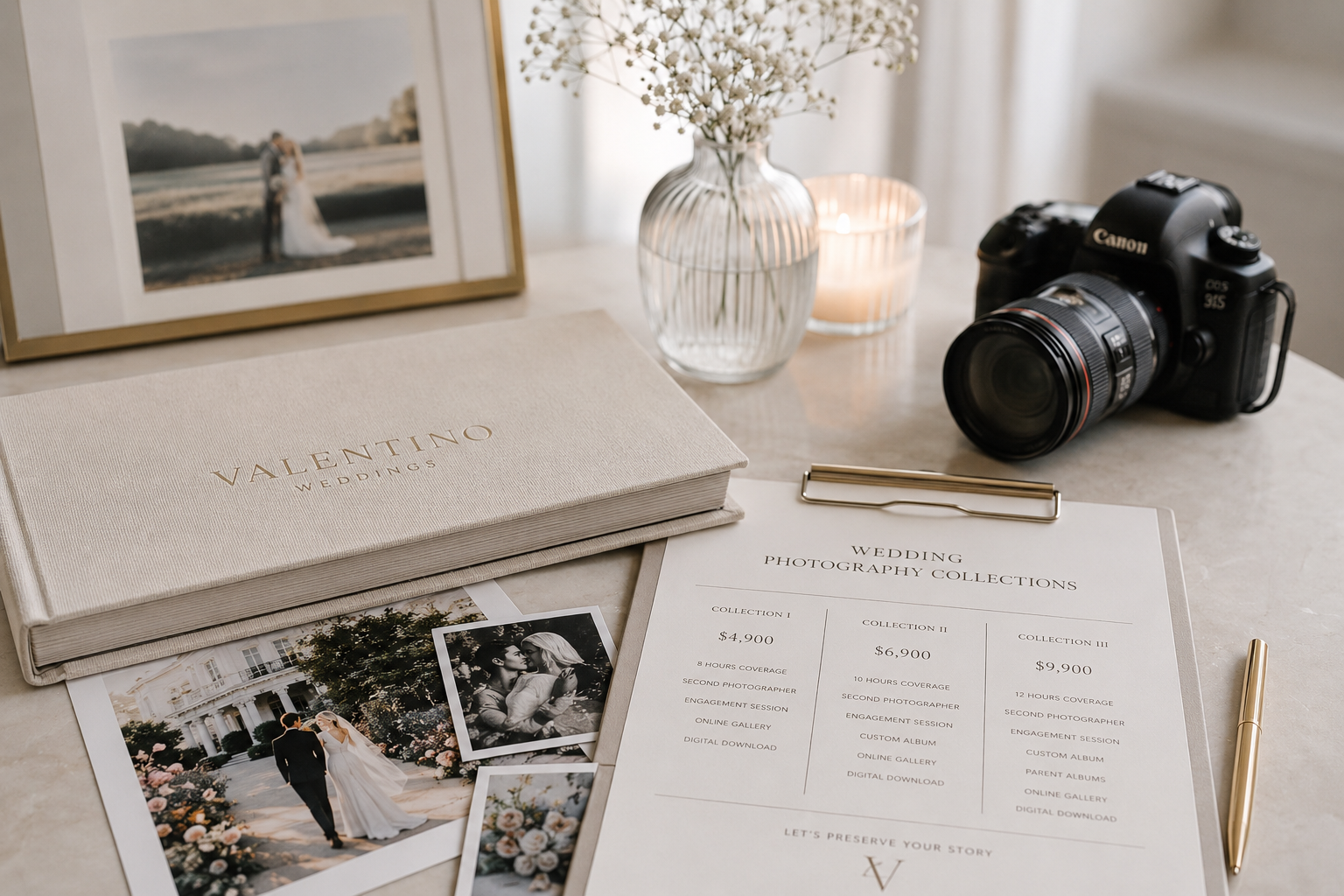
If you have started comparing wedding coverage and felt surprised by the range in pricing, you are not alone. Wedding photographer cost 2026 will vary more than many couples expect, not because pricing is random, but because wedding photography is shaped by time, experience, service level, and what you want preserved long after the day is over.
For some couples, photography means beautiful portraits and ceremony coverage. For others, it means a complete visual record of the day – the quiet anticipation while getting ready, the emotion in the vows, the energy of the dance floor, and the heirloom album that lives on your coffee table for years. When you understand what drives pricing, it becomes much easier to choose coverage that feels worthwhile, not just affordable.
What affects wedding photographer cost 2026?
The biggest factor is not simply how many photos you receive. It is the scope of the service.
A shorter collection with one photographer and limited hours will naturally cost less than a full-day experience with multiple professionals, timeline guidance, edited galleries, albums, and coordinated photo and video coverage. Couples often compare prices as if they are looking at the same service, but they usually are not. One package may include six hours and digital files. Another may include ten hours, a second shooter, engagement session, custom editing, album design, and highlight film coordination. Those are very different investments.
Experience also matters. An established wedding photographer is not charging only for the wedding day. You are paying for creative judgment, calm under pressure, lighting knowledge, posing direction, backup equipment, file security, editing expertise, and the ability to adapt when timelines shift or weather changes. Weddings move quickly. There are no retakes for the walk down the aisle or your first dance.
Location influences pricing as well. In Florida and destination markets, rates can be higher because of demand, travel logistics, seasonal scheduling, and the expectation of polished service. Resort weddings, multi-day events, and venues with strict production requirements may also increase costs.
Average wedding photographer cost 2026 by coverage level
In most US markets, couples can expect wedding photographer cost 2026 to fall into a few general ranges.
Entry-level coverage often starts around $2,500 to $4,000. This usually fits smaller weddings, shorter timelines, or newer professionals building their portfolios. You may receive fewer hours, fewer edited images, and less hands-on planning support. For the right event, that can be perfectly reasonable. For a large or fast-moving wedding day, it may feel limiting.
Mid-range professional coverage often falls between $4,000 and $7,500. This is where many experienced wedding photographers and studios operate. At this level, couples often receive stronger portfolio consistency, better communication, refined editing, and more complete collections. You may also start seeing second shooters, engagement sessions, and album options.
Premium and luxury wedding photography commonly begins around $7,500 and can move well above $12,000 depending on the team, destination travel, event scale, and deliverables. These collections often include a more elevated client experience, extensive timeline planning, multiple photographers, artistic direction, premium albums, and in some cases integrated photo and video coverage.
These ranges are not rules. They are simply useful reference points. A weekday celebration with six hours of coverage may sit lower than average, while a destination weekend with welcome events and a full wedding film will sit much higher.
Why hours of coverage change the price so much
Hours are one of the clearest pricing variables because they affect much more than the time a photographer is physically present.
A four-hour package may cover the ceremony, family portraits, and part of the reception. An eight-hour package often allows room for getting ready, details, first look, ceremony, cocktail hour, and major reception moments. Ten or more hours creates space for a fuller story, especially if your timeline is spread out across locations.
More hours also mean more images to sort, edit, and deliver. The post-production workload expands with every additional part of the day captured. That is why the jump from six to eight hours is not just about two extra hours on-site. It also means more planning, more editing, more storage, and often a more complete final gallery.
If your budget is tight, cutting hours can help. But there is a trade-off. Couples sometimes trim coverage only to realize later that they lost meaningful moments like toasts, sunset portraits, or candid family interactions. It is often better to protect the parts of the day that matter most to you than to choose coverage based on a number alone.
Second shooters, video, and full-service teams
A single photographer can create beautiful work, especially for intimate weddings. But larger celebrations usually benefit from a team approach.
A second photographer allows for more angles, more candid coverage, and smoother pacing. While one person photographs the couple, the other may capture guest reactions, room details, or family moments happening at the same time. This becomes especially valuable during getting ready, the ceremony, and reception entrances.
Videography changes the investment further because it adds another layer of storytelling. Photos preserve the look of the day. Video preserves movement, sound, and emotion in a different way – vows in your own voices, speeches exactly as they were delivered, the energy of your reception, and the atmosphere that still images cannot fully recreate.
For many couples, a coordinated photo and video team offers the best value. It creates a cohesive visual style, reduces vendor management, and helps the day flow more smoothly. At Valentino Weddings, this is often where couples see the greatest benefit: one team, one shared vision, and keepsakes designed to feel polished and deeply personal.
What should be included in the price?
This is where comparison becomes more useful than simply asking who charges less.
A well-structured collection may include planning support, a set number of coverage hours, one or more photographers, professionally edited high-resolution images, an online gallery, printing rights, and a clear delivery timeline. Higher-tier collections may also include engagement sessions, bridal portraits, albums, drone coverage, rehearsal dinner coverage, or videography add-ons such as highlight reels, full ceremony edits, raw footage, and recorded audio of vows and speeches.
The key is to ask what is truly included and what is extra. A lower starting price can sometimes become more expensive once you add additional hours, second shooters, albums, travel, or expedited delivery. A higher package may initially feel like a stretch but end up offering better value because more of what you want is already built in.
Style and editing matter more than couples first realize
Photography pricing is also shaped by artistic approach.
Traditional coverage, editorial portraiture, candid documentary work, and film-inspired imagery all require different skills. Some photographers focus on guided posing and polished composition. Others emphasize real-time storytelling with a lighter hand. Many premium studios blend these approaches so couples receive both refined portraits and emotional, unscripted moments.
Editing style matters too. Clean, timeless color work generally ages better than heavy trends. That does not mean artistic edits are wrong, only that your wedding gallery should still feel beautiful ten or twenty years from now. When a photographer has a distinct and consistent visual identity, that creative value is part of the price.
How to budget wisely without regretting it later
The most practical starting point is to decide what memories matter most. If photographs are one of the few wedding keepsakes you will return to for decades, they deserve a meaningful place in the budget.
That does not mean spending at the highest level automatically. It means being honest about your priorities. If you care deeply about emotional candids, elegant portraits, family coverage, and a gallery that feels complete, choose the strongest professional experience your budget can comfortably support. If your celebration is intimate and simple, a shorter collection may be the right fit.
It also helps to think in terms of total value rather than line-item price. A package that includes engagement photos, album design, a second shooter, or coordinated videography may save money and stress compared with booking each service separately. The convenience matters. So does consistency.
Finally, leave room for quality. Weddings are filled with moments you cannot repeat. A talented, prepared team does more than document your day. They protect it, shape it, and preserve it with care.
As you plan for 2026, the right question is not only what wedding photography costs. It is what kind of story you want to hold onto when the flowers are gone, the music has ended, and all that remains are the memories you chose to keep beautifully.