Wedding Ceremony Filming Guide for Timeless Vows
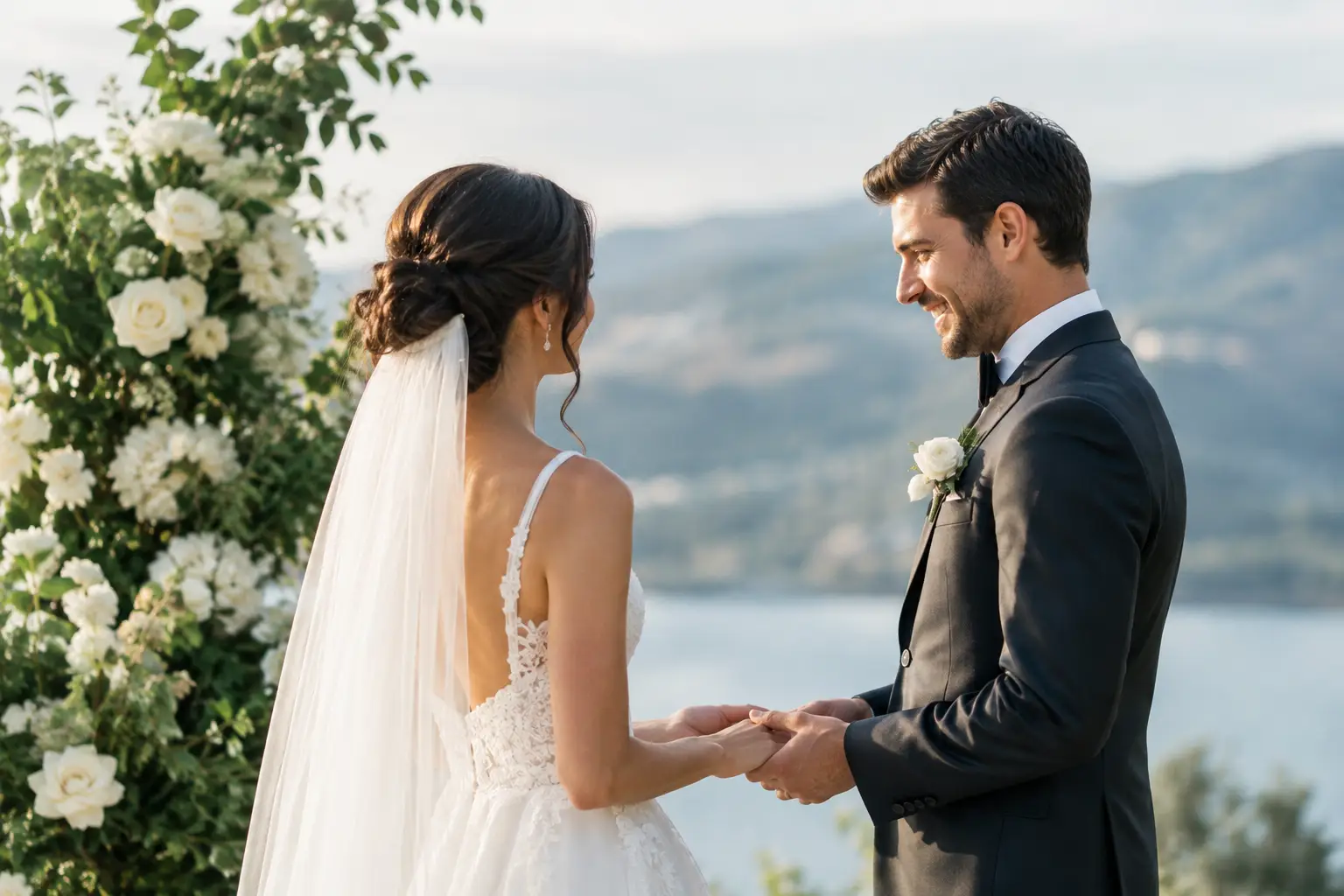
The moment the music begins, the ceremony stops being a schedule item and becomes the heart of your wedding day. This wedding ceremony filming guide is designed to help you protect that moment: the trembling breath before “I do,” the laughter that follows an unexpected line, and the voices you will want to hear again long after the day has passed.
A beautiful ceremony film is not created by simply pointing a camera toward the altar. It depends on thoughtful planning, discreet movement, reliable audio, and a team that understands when to step back and let the emotion lead. Whether you are exchanging vows beneath Florida palms, in a candlelit ballroom, or at a destination venue, these details shape the film you will revisit for decades.
Wedding Ceremony Filming Guide: Start With What Matters Most
Before discussing cameras or shot lists, decide what you want your ceremony film to preserve. For some couples, the priority is hearing every word of personal vows and readings. Others care most about seeing guests’ reactions, the walk down the aisle, or a wide view that captures the setting they chose so carefully.
Share these priorities with your videography team before the wedding day. If a grandparent is reading a blessing, a sibling is officiating, or you have written vows you expect to cry through, those are not small details. They help your team plan audio placement, camera angles, and the right number of filmmakers.
It also helps to consider the final keepsakes you want. A highlight reel can capture the emotional rhythm of the ceremony beautifully, while a full wedding film gives your vows and readings more room to breathe. Raw ceremony footage offers another meaningful option for couples who want to preserve the event in its entirety, with all of its natural pauses, applause, and happy tears.
Audio Is the Part You Should Never Leave to Chance
Couples often focus first on how the ceremony will look. Yet clear audio is what brings a wedding film back to life. A perfectly framed vow loses much of its power if wind, traffic, music, or a weak sound system buries the words.
Professional ceremony coverage typically uses more than one audio source. A small microphone on the officiant can capture both partners, while a second recorder may be placed near a speaker, musician, or venue sound board. This layered approach creates a backup if one source is affected by clothing rustle, interference, or a guest’s sudden applause.
Ask your venue or planner early about the ceremony sound setup. Will the officiant use a microphone? Are there speakers and a sound board? Is there a live string quartet, a DJ, or a vocalist? Your video team does not need to control the sound system, but knowing the plan allows them to work around it gracefully.
Outdoor ceremonies call for extra care. Florida breezes can be lovely for a veil and less lovely for a recording. Oceanfront, garden, and rooftop ceremonies may require wind protection and thoughtfully placed recorders. The goal is never to make the equipment visible. It is to make sure your voices remain clear and intimate in the finished film.
Choose Camera Coverage That Feels Present, Not Intrusive
The best ceremony filming feels attentive without feeling disruptive. Your guests should remember watching you, not watching a videographer move through every row.
For most ceremonies, multiple cameras provide the strongest balance of coverage and discretion. One camera can hold a wide, steady view of the ceremony space. Another can capture closer expressions during vows and ring exchanges. A third angle, when appropriate, can preserve the processional, guest reactions, and the perspective of the partner waiting at the altar.
The number of cameras and filmmakers depends on your ceremony design. A small elopement may need less coverage than a large formal celebration with a long aisle, multiple readings, and elaborate décor. More coverage creates flexibility in editing, but it should never come at the expense of the experience in the room.
Ask your videographer how they work alongside your photographer. A coordinated photo and video team can anticipate key moments without competing for the same space. That matters during the kiss, the recessional, and quieter exchanges when you should not have to think about where to look or where to stand.
Plan the Processional With Your Film in Mind
The processional is full of movement and anticipation, which makes it one of the most cinematic parts of a ceremony. It can also become difficult to film if the aisle is extremely narrow, guests step into the path with phones, or the entrance order changes moments before the music begins.
Give your creative team the final processional order and ceremony layout in advance. Let them know if one partner will walk in with both parents, if there is a first look at the altar, or if flower children and pets are part of the entrance. These personal choices deserve coverage that feels effortless rather than rushed.
A rehearsal can be helpful, especially for a complex ceremony. It gives your team a chance to see where sunlight falls, confirm the best standing positions, and identify any restrictions the venue or officiant may have.
Think Carefully About Light, Especially Outdoors
Light creates mood, but it also affects the clarity of your ceremony film. A late-afternoon outdoor ceremony can be breathtaking, provided the timing and orientation are considered. If one partner is standing in harsh direct sun while the other is in deep shade, the final footage may feel less polished than the moment itself.
When possible, ask your planner, venue, and photo-video team for input on ceremony placement. A ceremony positioned with the sun behind the couple can create a soft, romantic glow, although it requires experienced camera settings and careful exposure. Direct overhead light can be more challenging, particularly in bright Florida conditions.
For indoor ceremonies, ask whether the venue allows the existing lighting to remain on during the vows. Dim candlelight is romantic in person, but a few subtle enhancements may be needed for clear, flattering footage. Professional teams can often work with available light, but knowing the environment ahead of time prevents surprises.
Protect the Ceremony From Unplanned Distractions
A few simple decisions can make a noticeable difference in your film. Consider an unplugged ceremony, or at least ask guests to keep phones low and remain seated during the processional. A sea of screens can block aisle footage and distract from the expressions happening in real time.
This request does not need to feel strict. A tasteful sign or a warm note from your officiant can invite guests to be fully present, assuring them that professional photos and video will preserve the celebration. Your ceremony will feel more intimate, and your film will show the faces of the people who came to support you.
Also confirm ceremony rules with the venue and officiant. Some houses of worship limit where videographers may stand or prohibit movement after the processional. Those guidelines can absolutely be respected, but they need to be known in advance so the coverage plan is built around them.
Build Time for the Moments Before and After “I Do”
The ceremony begins before the first guest sees you. A quiet moment as you straighten a tie, hold a parent’s hand, or read a note from your partner can add emotional depth to the final film. If these moments matter to you, allow enough coverage time for them rather than scheduling video to begin only at the ceremony start.
The same is true after the recessional. Once you have reached the end of the aisle, pause for a few seconds, take in the applause, and let yourselves smile at one another. It is a small pocket of time that often becomes one of the most joyful scenes in a wedding film.
If you are planning a destination wedding, build a little extra margin into the timeline for transportation, changing weather, and unfamiliar venue logistics. A calm schedule gives your team the opportunity to capture the beauty around you without making you feel hurried.
Ask the Right Questions Before You Book
Your videographer should be able to explain how ceremony audio is recorded, how many cameras are used, and what happens if a device fails. Ask whether full ceremony footage is included, available as an add-on, or delivered separately from the highlight film. Clarify whether you will receive recorded vows and readings, and how the footage will be delivered.
It is also worth asking who will be filming your day and whether they have worked together before. Wedding ceremonies move quickly and cannot be repeated. An experienced, cohesive team knows how to communicate quietly, adjust to an unexpected timeline change, and preserve the feeling of the ceremony without turning it into a production set.
At Valentino Weddings, coordinated photography and videography coverage is designed to keep that experience polished and personal, so every meaningful glance and spoken promise has a place in your visual story.
Your vows will be spoken only once, surrounded by the people who love you most. Give yourselves the gift of being fully present for them, knowing the laughter, the tears, and the quiet words between you are being preserved with care.