How Many Hours Wedding Photographer Needed?
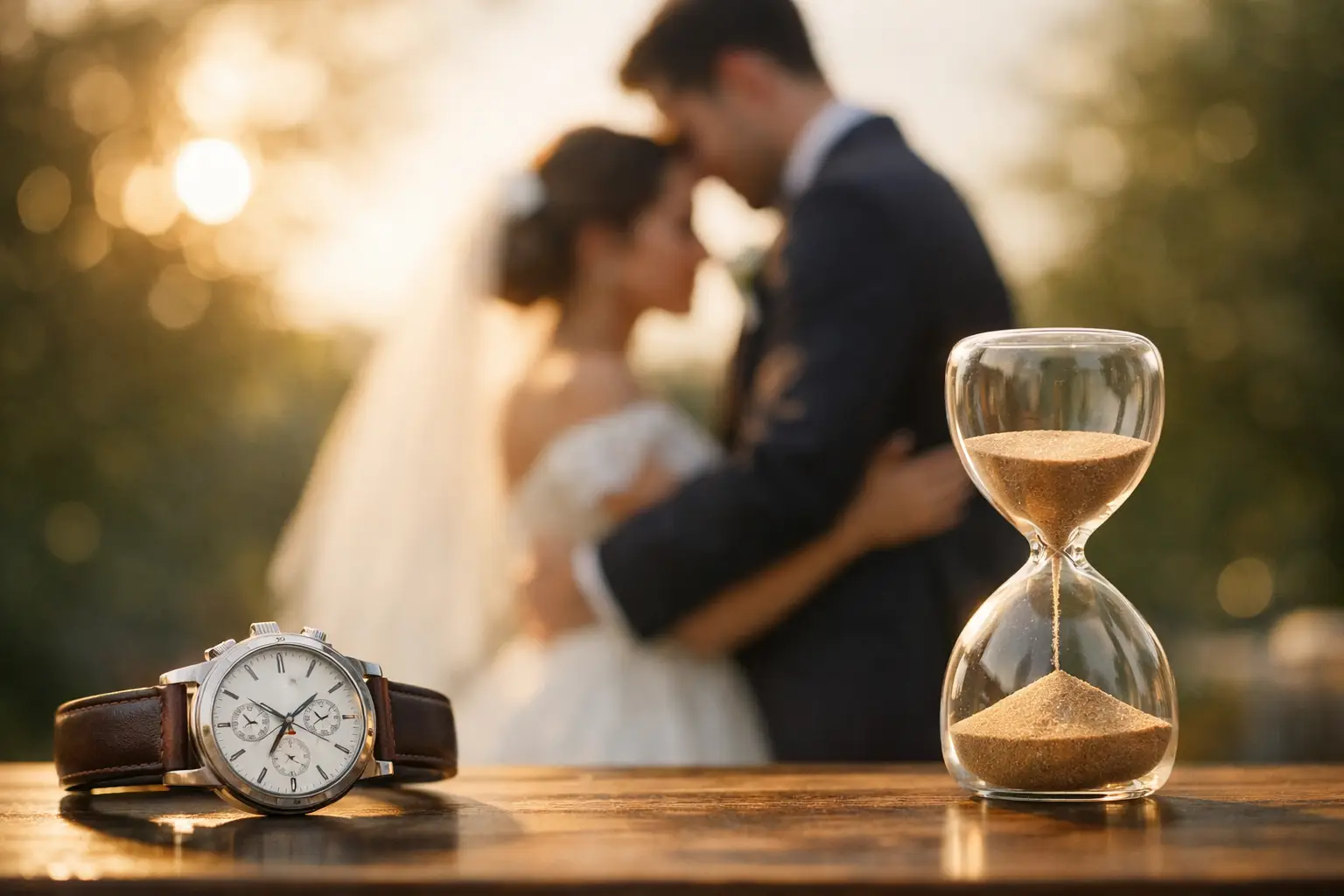
A wedding timeline always looks simple at first – ceremony, cocktails, dinner, dancing. Then you start adding the real moments: getting ready with your closest people, the first look, family portraits, sunset photos, speeches, and the last joyful rush onto the dance floor. That is usually when couples ask how many hours wedding photographer needed for a day that feels complete, not rushed.
The honest answer is that it depends on the shape of your celebration. A short and stylish city ceremony needs something very different from a full-day destination wedding with multiple locations, a formal exit, and both photo and video coverage. The goal is not booking the most hours possible. It is choosing enough time to tell the story beautifully, without squeezing meaningful moments into a schedule that feels too tight.
How many hours wedding photographer needed for most weddings?
For most traditional weddings, eight hours is the sweet spot. It usually gives enough room to document key parts of the day without turning coverage into a race. That often includes part of getting ready, the ceremony, family photos, wedding party portraits, couple portraits, cocktail hour, and a meaningful portion of the reception.
That said, eight hours is not perfect for everyone. If you care deeply about quiet pre-ceremony moments, a relaxed portrait experience, or full reception storytelling from grand entrance to packed dance floor, you may need closer to ten hours. If your event is intentionally intimate and streamlined, six hours may be plenty.
The better question is not just how many hours wedding photographer needed, but which moments matter most to you. Coverage should reflect your priorities, not someone else’s checklist.
What 6 hours of wedding photography really covers
Six hours works well for couples planning a shorter celebration or keeping everything in one location. Think intimate weddings, elopement-style events, brunch weddings, or ceremonies with a simple reception schedule. When travel is minimal and the guest count is manageable, six hours can still produce a beautiful, emotionally complete gallery.
Usually, six hours allows coverage of the ceremony, family portraits, wedding party photos, couple portraits, and part of the reception. If you are not focused on extensive getting-ready coverage or a late-night sendoff, this can be a smart, efficient choice.
The trade-off is breathing room. With six hours, the timeline has to be intentional. Delays in hair and makeup, long family photo lists, or transportation between venues can quickly eat into portrait time or reception coverage. If your day includes several transitions, six hours may feel tighter than expected.
When 8 hours is the best fit
Eight hours is often the most balanced option because it covers the heart of the wedding day while leaving enough flexibility for natural pacing. It usually begins during the final stage of getting ready and ends after major reception events such as entrances, toasts, cake cutting, and some open dancing.
For many couples, this is the perfect middle ground. You get detail shots, real emotion before the ceremony, your vows, portraits in good light, and enough reception energy to preserve the atmosphere of the celebration.
If you are having a first look, eight hours tends to stretch even further. A first look can make portraits smoother and reduce post-ceremony time pressure, especially when family formals are organized in advance. For elegant weddings with one ceremony and one reception venue, this option often feels polished and complete.
When 10 hours makes all the difference
Ten hours is ideal when the story matters from beginning to end. If you want those calm, anticipatory moments in the morning, the full beauty of your design details, and the energy of the dance floor later in the evening, ten hours gives your creative team room to work with intention.
This length is especially valuable for larger weddings, destination celebrations, or events split across multiple locations. It helps when one partner is getting ready in a separate space, when travel time is involved, or when the ceremony starts later in the day and the reception continues with several formal events.
Ten hours also supports a more refined portrait experience. Instead of rushing from one photo segment to the next, you can enjoy time for editorial-style couple portraits, candid in-between moments, and sunset images that often become favorites. If video is part of your package too, extra time becomes even more useful because both mediums need space to capture the day well.
Do you need 12 hours or full-day coverage?
Sometimes the answer is yes. Full-day coverage is often the right fit for luxury weddings, multicultural celebrations, multi-event timelines, or weekends where the wedding itself includes many layers. If you are planning a tea ceremony, a church service followed by a separate reception, or a celebration with extensive decor and entertainment details, more coverage protects the story.
Twelve hours can also make sense when you do not want to watch the clock. That peace of mind matters. You can be present with your family, stay relaxed during portraits, and enjoy the reception without wondering whether your team will leave before the best moments unfold.
This is not about excess. It is about preserving the full emotional arc of the day, from anticipation to celebration.
Factors that change how many hours you need
Your timeline matters more than your guest count. A 60-person wedding spread across three locations may need more coverage than a 200-person wedding held entirely at one venue.
The ceremony time plays a major role too. Late afternoon ceremonies can push portraits, cocktail hour, and reception events closer together, which often increases the value of extra hours. If your ceremony begins at 5:30 p.m. and you want dancing photos at night, eight hours may be the minimum rather than the ideal.
Travel is another factor couples underestimate. Moving between a hotel, ceremony venue, and reception site takes more time than it appears on paper. The same is true for destination weddings, where unfamiliar logistics and weather conditions can affect pacing.
And then there is photo and video together. A coordinated team can work beautifully in sync, but both still need time for details, setup, audio, portraits, and storytelling. If you want edited images, a highlight film, vows, speeches, and meaningful reception coverage, a longer collection often gives the smoothest result.
A simple way to choose your coverage
Start with your must-have moments. If you would be disappointed to miss robe photos with your bridesmaids, your partner reading a letter before the ceremony, sunset portraits, or your parents during the speeches, those moments need to be built into the timeline before choosing a package.
Next, consider your pace. Some couples want a fast, focused day with very little downtime. Others want a celebration that feels graceful and unhurried. Neither is wrong, but each leads to a different coverage recommendation.
Finally, think about what you want to remember years from now. Most couples do not regret having enough coverage. They regret the moments that happened just outside the booked window.
Sample coverage by wedding style
A simple ceremony and dinner reception often works well with six hours. A classic wedding with getting ready, ceremony, portraits, and reception events usually fits eight. A larger or more layered wedding with separate locations, sunset portraits, and fuller reception storytelling often benefits from ten. If your event includes cultural traditions, multiple transitions, or a grand exit, twelve hours may be the most comfortable choice.
This is why personalized planning matters. At Valentino Weddings, we often guide couples by starting with their vision first and the package second. The right collection should support the day you actually want, not force your memories into a narrow timeframe.
The best coverage is the one that lets you stay present
Your wedding photographs should feel like more than proof that the day happened. They should carry the emotion of it – the elegance, the laughter, the stillness before the ceremony, the way your people looked at you, and the moments you missed while living them.
If you are deciding how many hours to book, choose the amount of time that gives your story space. Enough room to breathe almost always translates into images that feel more beautiful, more honest, and more like you.
When your timeline supports the memories you care about most, your wedding day becomes easier to enjoy – and that is when the magic is truly captured.