Can Wedding Photos and Video Match?
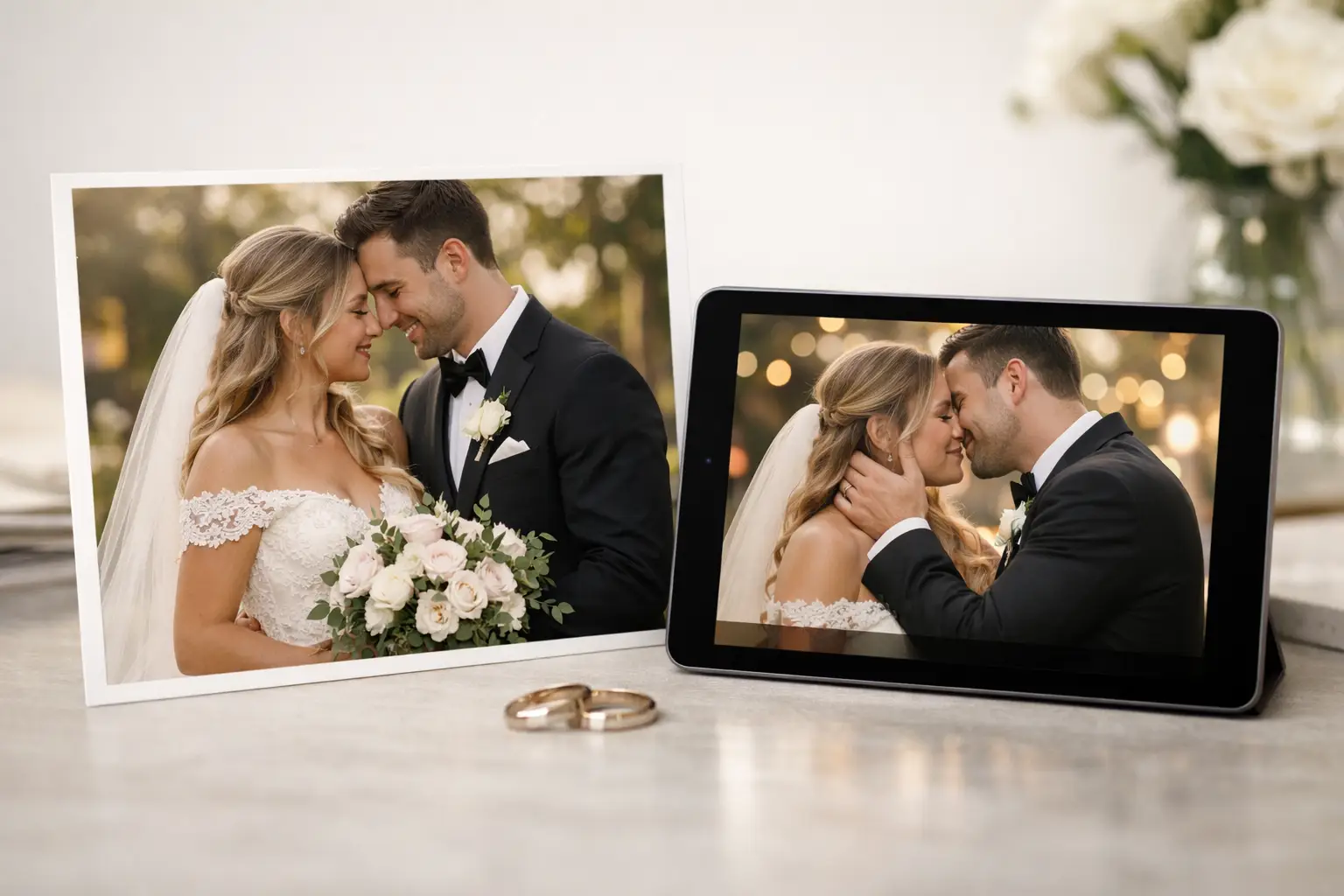
You notice it right away when a wedding gallery feels soft, refined, and romantic, but the film feels dark, dramatic, or fast-paced in a completely different way. It can leave couples wondering, can wedding photos and video match in a way that feels intentional from start to finish? The answer is yes, but it takes more than booking two talented people. It takes shared vision, careful planning, and a team that knows how to tell one story through two mediums.
Can wedding photos and video match in real life?
They can, and the best wedding coverage often does. Matching does not mean your photos and video should look identical frame by frame. Photography and videography work differently. One freezes a moment with precision. The other carries movement, sound, and pacing. What they should share is the same emotional atmosphere, the same visual direction, and the same understanding of what matters most to you.
When couples say they want everything to match, they are usually talking about consistency. They want the color palette to feel harmonious. They want the energy in their highlight film to reflect the feeling of their portraits and candid images. They want the full story of the day to feel connected, not split into two separate interpretations.
That kind of cohesion is possible, especially when photo and video are planned together instead of treated as separate services.
What matching really means
A cohesive wedding gallery and film are built on more than editing. Style begins long before post-production. It starts with how your team uses light, how they direct or observe moments, and how they choose what to emphasize.
If your vision leans editorial and elegant, both your photographer and videographer should understand how to create clean compositions, flattering movement, and polished portraits. If you love candid, documentary-style coverage, both should know when to step back and let real interactions unfold naturally. If one person is staging everything while the other is chasing unfiltered moments with a completely different rhythm, the final result can feel disconnected.
Matching also includes tone. A romantic garden wedding might call for airy imagery, gentle pacing, and emotional audio woven through the film. A black-tie ballroom celebration may feel richer, more cinematic, and more dramatic. Neither is better. What matters is that both mediums are shaped around the same atmosphere.
Why mismatched coverage happens
Most mismatched wedding media is not caused by a lack of talent. It usually comes from a lack of alignment.
Sometimes couples hire a photographer whose work feels timeless and film-inspired, then book a videographer whose editing style is trendy, high-contrast, and fast-cut. Each artist may be excellent on their own, but together they may tell two different versions of the same day.
In other cases, photo and video teams have never worked together before. They may have different communication styles, different ideas about posing, or different priorities for key moments. That can create tension in the timeline and inconsistency in the final product.
Editing can also play a role. Colors, skin tones, black-and-white choices, music selection, and pacing all shape the emotional experience. If these decisions are made without a shared direction, your gallery and film can drift apart even if the raw footage and images were captured beautifully.
The advantage of one team for both
This is where an integrated studio has a real advantage. When photography and videography are handled by one coordinated team, the process tends to feel more thoughtful and far more cohesive.
There is already a shared visual language. The team understands your preferred aesthetic, your timeline, and the moments you care about most. They know whether you want your wedding to feel classic, editorial, candid, or a blend of styles. They can coordinate coverage so the photo team and video team support each other instead of competing for space, light, or attention.
That matters during the quiet parts of the day just as much as the big ones. During getting ready, both teams can work with the same styling details and lighting choices. During portraits, they can guide movement in a way that serves still images and film at the same time. During the ceremony and speeches, they can protect clean sightlines while preserving emotion, audio, and reaction shots.
For many couples, there is also peace of mind in having one point of contact and one creative direction. It simplifies planning without sacrificing artistry.
How to make wedding photos and video match your style
The clearest path is to define your visual preferences early. Before you ask whether wedding photos and video can match, it helps to know what matching means to you.
Some couples want a soft, romantic look with natural color and emotional storytelling. Others want crisp luxury imagery with dramatic lighting and a cinematic film. Some love a documentary feel with very little posing. Many want a blend – elegant portraits, honest candids, and a film that feels polished without losing personality.
Once your preferences are clear, your creative team can build around them. This affects wardrobe guidance, timeline design, location choices, lighting plans, and editing decisions. It also shapes the pace of the day. A rushed timeline rarely supports refined, cohesive coverage. A well-structured one gives both teams time to create with intention.
Sharing inspiration can help, but clarity matters more than quantity. A thoughtful conversation about what you love, what you do not, and how you want your wedding memories to feel is often more useful than a folder full of unrelated saved images.
Ask about approach, not just deliverables
Hours of coverage, gallery size, highlight reel length, raw footage, audio of vows and speeches, and album options all matter. But if you are focused on cohesion, you should also ask how the team approaches storytelling.
Do they tailor coverage to your personality and event style? How do they balance portraits with candid moments? How do they keep photo and video visually aligned during editing? How do they handle lighting in bright outdoor ceremonies, dim reception spaces, or destination settings with changing weather?
The answers reveal whether the team is thinking beyond simply documenting events. They show whether the final gallery and film will feel curated as one complete memory.
Editing should feel consistent, not identical
This is an important distinction. Matching does not mean making video look like a slideshow of your wedding photos. It means keeping the color treatment, emotional tone, and overall sophistication consistent enough that everything belongs together.
Photos may lean slightly more polished in detail because they are still images meant for printing, framing, and albums. Video may feel a bit more atmospheric because it includes motion, ambient sound, and music. That difference is natural. In fact, it is part of what makes having both so valuable.
The goal is not sameness. The goal is harmony.
It depends on your priorities
There is no single formula because every wedding is different. A beachfront ceremony in Florida at golden hour offers one kind of visual language. A candlelit indoor reception creates another. A two-hour intimate celebration has different needs than a full-day luxury event with multiple locations, drone coverage, and formal speeches.
Your priorities also shape the result. If your top priority is portraits, the team may dedicate more time to composed imagery. If your priority is emotional storytelling, they may focus heavily on reactions, movement, and audio. If family documentation matters most, coverage may lean toward fuller event storytelling rather than purely stylized content.
None of these choices prevent your photos and video from matching. They simply change what matching looks like.
What couples should look for before booking
Look for consistency across full wedding galleries and full films, not just highlight moments on social media. Pay attention to whether the work feels emotionally connected. Notice whether the style remains steady in different lighting conditions, venues, and weather. A team that can create cohesion across many kinds of weddings is far more likely to do it well on yours.
It also helps to choose professionals who value collaboration. Wedding days move quickly, and beautiful coverage depends on calm communication. A team that works in sync can protect the experience while still capturing the details, atmosphere, and once-in-a-lifetime moments that matter.
For couples who want both artistry and ease, that coordination is often what turns beautiful coverage into a deeply meaningful keepsake.
Yes, wedding photos and video can absolutely match, and when they do, your memories feel richer, more complete, and unmistakably yours. The right team will not force two mediums to look the same. They will shape them to belong together, so when you revisit your wedding years from now, every image and every frame feels like part of the same beautiful story.