What Is Candid Wedding Photography?
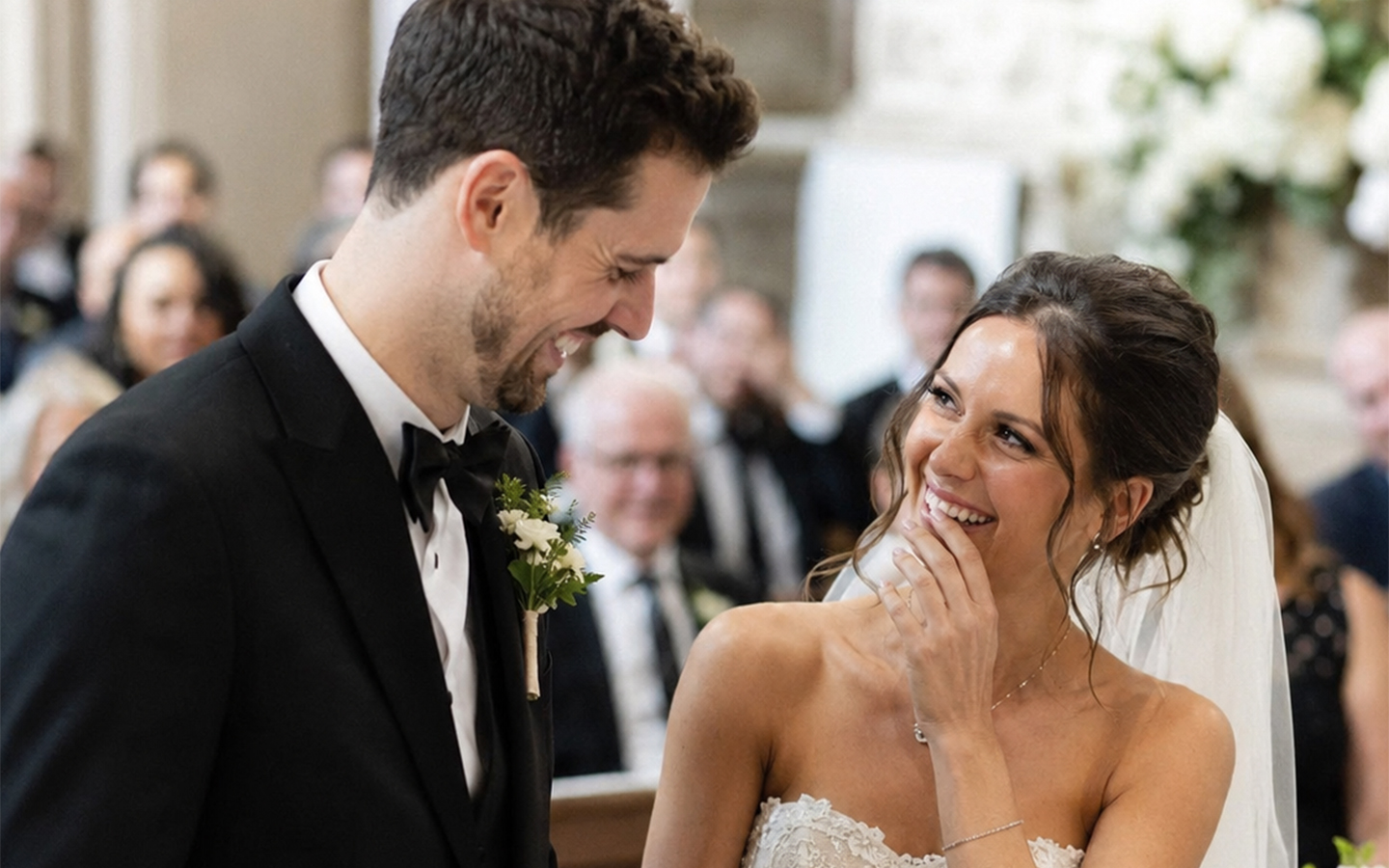
A groom wiping away a tear before the ceremony. A grandmother laughing during the toast. Your best friends pulling you onto the dance floor when you were sure you would stay in your heels for only one song. If you have been asking what is candid wedding photography, the simplest answer is this: it is the art of capturing your wedding as it truly felt, not just as it looked.
Candid wedding photography focuses on genuine moments as they unfold naturally. Instead of stopping the day to direct every expression or hand placement, the photographer observes, anticipates, and preserves the emotion already happening in front of the camera. The result is a gallery filled with movement, connection, personality, and memories that feel alive years later.
What Is Candid Wedding Photography?
Candid wedding photography is a documentary-style approach that captures real interactions without constant posing or interruption. It often includes quiet in-between moments, spontaneous reactions, and details that tell the full story of the day. Think of the smile exchanged during the vows, the flower girl getting distracted halfway down the aisle, or your parents holding hands during the ceremony.
That does not mean the photographer is passive. Great candid coverage requires timing, experience, awareness of light, and the ability to blend into the rhythm of the celebration. A skilled wedding photographer knows when to step back and when to step in, making sure the story feels natural while still looking polished and intentional.
For many couples, candid imagery becomes the emotional center of the wedding gallery. Formal portraits matter. Editorial details matter. But candid photographs often become the images you feel most deeply because they bring you back to the exact energy of the moment.
How Candid Wedding Photography Feels Different
Traditional wedding photography is built around direction. The photographer arranges family groupings, guides posture, and creates composed portraits with everyone looking their best. That structure is valuable, especially for family photos, couple portraits, and timeless frame-worthy images.
Candid photography works differently. Rather than asking you to hold a smile or repeat a reaction, the photographer captures what is already happening. The emotion is less controlled, but often more revealing. You might not be looking at the camera. Your hair may move in the wind. Someone may be mid-laugh instead of perfectly composed. That is exactly the beauty of it.
Editorial wedding photography also enters the conversation here. Editorial images are often stylish, fashion-forward, and intentionally designed. They can feel elegant and elevated, with stronger posing and visual direction. Candid photography complements that approach by adding warmth and honesty. Many modern couples want both – the refined portrait and the unscripted embrace, the dramatic dress shot and the real reaction when they first see each other.
What Moments Are Usually Captured Candidly?
Some of the most meaningful wedding moments simply cannot be recreated with the same emotion. That is why candid coverage is so valuable throughout the day.
During getting ready, candid images may include a parent fastening a dress, a groom reading a letter, bridesmaids reacting to the final look, or a quiet pause before everything begins. These moments are often soft, intimate, and deeply personal.
During the ceremony, candid photography preserves what unfolds naturally – the nerves before the processional, the look on your partner’s face at the altar, tears during vows, laughter during a reading, and the way your guests respond around you.
At the reception, candid storytelling becomes especially rich. There are hugs, speeches, champagne toasts, children twirling on the dance floor, and the kind of split-second reactions you never see while you are living them. These images become part of the fuller memory of the day, not just the headline moments.
Does Candid Mean No Posing at All?
Not usually. This is one of the biggest misunderstandings around the style.
Most weddings benefit from a thoughtful balance. Family portraits need direction. Couple portraits usually include some gentle guidance to make sure lighting, angles, and composition are beautiful. Even photographers known for candid work may offer light prompts rather than stiff poses, helping couples interact naturally instead of standing awkwardly.
That balance often creates the strongest gallery. You receive the polished images you want for albums and wall art, while also preserving the unscripted moments that tell the emotional truth of the day.
For couples who say they feel awkward in front of the camera, candid coverage can be especially appealing. You are not being asked to perform all day. Instead, you are encouraged to be present with each other while the photographer captures what unfolds. That tends to feel easier, more flattering, and far more personal.
Why Couples Love This Style
Candid wedding photography resonates because weddings move quickly. There are moments you will miss completely while greeting guests, changing locations, or being pulled in different directions. Your gallery becomes a way to see the day from the outside and relive what was happening around you.
There is also something timeless about authenticity. Trends in editing and posing come and go, but real emotion holds its value. A photograph of your father trying not to cry, your friends erupting with laughter, or your partner’s expression during the first dance does not need much explanation. It stays meaningful because it is honest.
This style also helps tell a fuller story. A wedding is not made beautiful by details alone, even when those details are stunning. It becomes unforgettable because of people, energy, relationships, and emotion. Candid photography captures those layers.
When Candid Wedding Photography Works Best
Candid coverage works beautifully at almost any wedding, but it shines when couples care deeply about atmosphere and connection. It is especially powerful for destination weddings, outdoor celebrations, multi-day events, and family-centered ceremonies where emotion and movement are constant.
It also works best when the timeline allows room to breathe. If every part of the day is rushed, there are fewer opportunities for natural interactions to unfold. A well-planned schedule gives space for real moments, whether that is a private first look, extra time during cocktail hour, or a reception that is not packed too tightly with formalities.
The photographer’s presence matters too. Some candid specialists are quiet and unobtrusive, blending into the background. Others are warm and engaging, helping people feel comfortable while still capturing natural reactions. Neither is automatically better. It depends on your personalities and the energy you want around you.
How Photo and Video Work Together in a Candid Approach
For couples who want the emotional texture of the day preserved from every angle, candid photography pairs beautifully with wedding videography. A still image can freeze your mother’s expression during the ceremony. Video can preserve the tremble in her voice during the toast. Together, they create a richer memory.
This is especially valuable for unscripted moments because they happen quickly and often only once. A coordinated photo and video team can document those moments without competing for space or interrupting the experience. When both mediums share the same storytelling vision, the final collection feels cohesive rather than fragmented.
That is one reason many couples prefer working with one professional team for both services. At Valentino Weddings, that coordinated approach allows photo and video coverage to feel beautifully aligned while preserving the elegance, emotion, and energy of the celebration.
How to Know if This Style Is Right for You
If you want your wedding gallery to feel emotional, natural, and story-driven, candid photography is likely a strong fit. If you care more about real reactions than perfectly controlled poses, that is another sign. If you want to remember not just how your wedding looked, but how it felt, candid imagery will probably matter to you.
Still, it depends on your priorities. Some couples want a gallery that leans heavily editorial and refined. Others want nearly everything documentary in style. Most land somewhere in the middle. The best approach is not choosing one style at the expense of all others. It is choosing a photographer who understands how to blend aesthetics in a way that reflects your day.
When reviewing portfolios, pay attention to expression and movement. Do people look relaxed or staged? Can you sense emotion in the images? Do the photos feel intrusive or observant? The right candid photographer will make natural moments look elevated without making them feel manufactured.
Your wedding deserves more than a record of who stood where. It deserves imagery that brings back the pulse of the room, the emotion in your chest, and the people you love exactly as they were in that fleeting, beautiful moment.
Comments
[…] is where the conversation becomes more nuanced. Traditional photography and candid photojournalistic photography are not opposites in a strict sense. They simply prioritize different […]
[…] best approach is to start with the experience you want to remember. If candid emotion matters most, make sure your photographer excels at observing real moments. If you care deeply […]
[…] no longer choosing between traditional portraits, editorial images, or candid coverage. They want all three, woven together in a way that feels natural and […]
[…] balancing polished visuals with genuine emotion. If you are drawn to a look that feels editorial, candid, classic, or film-inspired, your videography package should support that artistic […]
[…] Weddings, this is part of the artistry: creating space for both polished portraits and the candid emotion that gives a wedding gallery its heart. The two are not opposites. They are what make the story […]
[…] part of your family history. Editorial imagery brings intentional composition and refined style. Candid photojournalism preserves real reactions as they unfold. Film-inspired photography adds softness, texture, and […]
[…] to look at the other rather than at the camera. The rest should be allowed to unfold. This is where candid photojournalistic coverage and intentional portraiture […]