What Is Cinematic Wedding Photography?
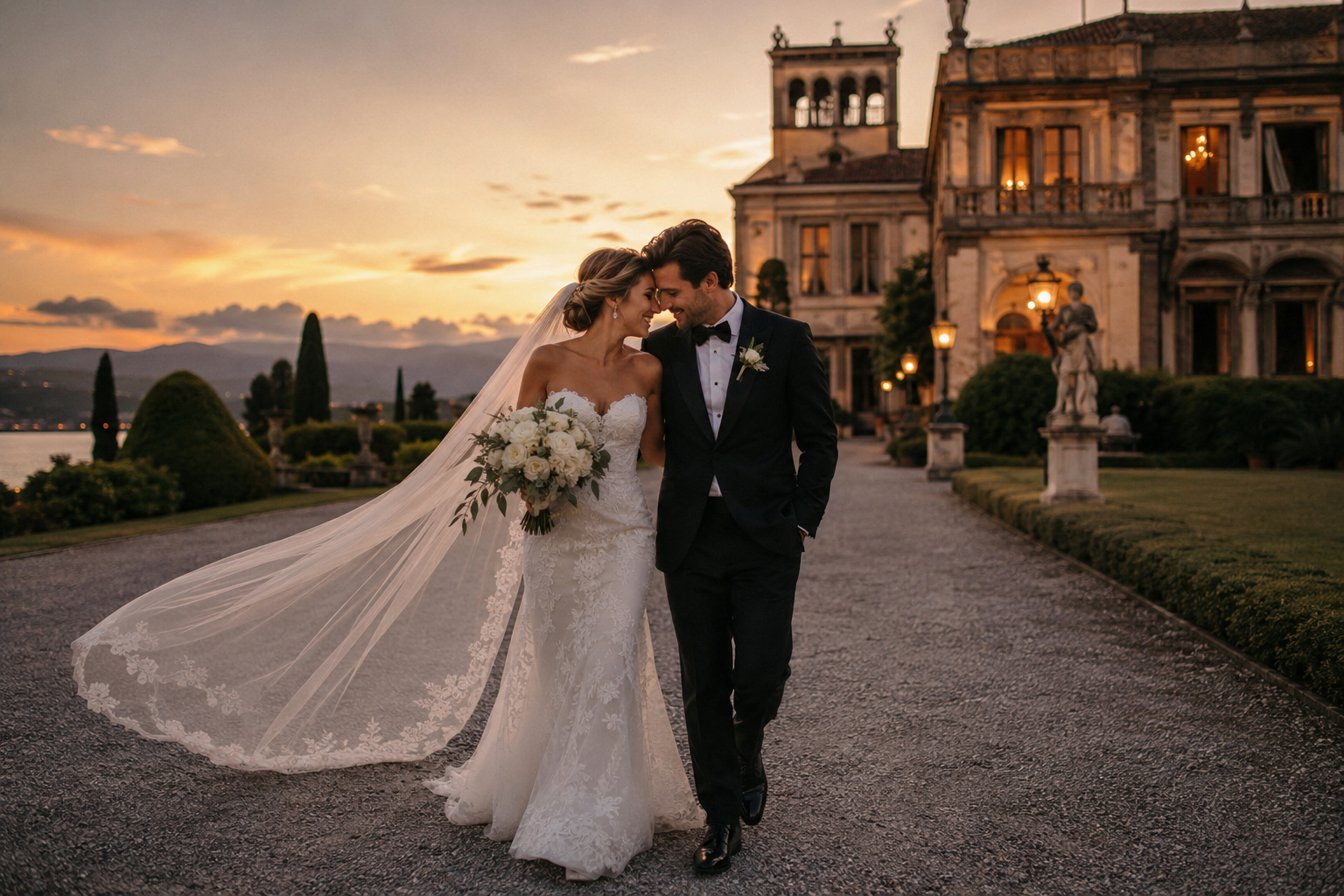
Some wedding photos show what happened. Others make you feel like you are back inside the moment – hearing the vows tremble, noticing the way the light fell across your dress, remembering the quiet breath you took before walking down the aisle. That emotional, story-first quality is at the heart of what is cinematic wedding photography.
Cinematic wedding photography is a style of wedding imagery inspired by the mood, composition, and storytelling of film. Instead of focusing only on perfectly posed portraits or a straightforward record of the day, it aims to create images that feel immersive, expressive, and alive. The goal is not just to document your wedding, but to preserve its atmosphere.
For many couples, that distinction matters. Your wedding is not a series of disconnected events. It is a full experience, built from anticipation, movement, design, emotion, and all the in-between moments that can never be repeated exactly the same way again. A cinematic approach treats the day that way.
What Is Cinematic Wedding Photography, Exactly?
At its core, cinematic wedding photography borrows from visual storytelling techniques often associated with movies. Think intentional framing, dramatic or soft natural light, layered compositions, emotional pacing, and imagery that feels less like a checklist and more like a narrative.
That does not mean every image is dark, moody, or overly stylized. Cinematic can be bright and airy, rich and editorial, or soft and romantic. What defines it is the feeling behind the image and the way each photo contributes to a larger story.
A cinematic photographer is usually looking for moments that carry emotional weight. A hand squeeze before the ceremony. The movement of a veil in ocean wind. Parents reacting during speeches. A wide shot that shows the setting, followed by a close frame that captures a tear or a smile. Each image works on its own, but it also supports the full rhythm of the day.
How Cinematic Wedding Photography Looks Different
Traditional wedding photography often emphasizes clean portraits, family groupings, and clear coverage of key moments. Those images still matter, and most couples want them. Cinematic wedding photography simply adds another layer. It looks for beauty not only in what is happening, but in how it is unfolding.
That often shows up in composition. Instead of centering every subject, the photographer may use negative space, foreground elements, reflections, shadows, or architectural framing to create depth. Images can feel more intentional and more emotionally charged because they are designed to draw your eye and shape your attention.
Lighting also plays a major role. Rather than flattening every scene with the same approach, cinematic photography uses light to create mood. Window light during getting ready can feel tender and private. Golden hour portraits can feel expansive and romantic. Reception lighting can be used to preserve the energy of the dance floor instead of washing it out.
Movement is another difference. A cinematic image may capture a dress in motion, a spontaneous laugh, or the blur of a packed celebration. Not every frame has to be perfectly still to be beautiful. Sometimes a little motion is exactly what makes the memory feel real.
The Storytelling Behind the Style
The strongest cinematic wedding photography is never just about aesthetics. It is about storytelling.
A wedding day has its own emotional arc. There is the quiet beginning, the buildup, the ceremony, the release, the celebration, and the private moments hidden inside all of it. A cinematic approach pays attention to that progression. It creates context, not just highlights.
That is why this style often includes more environmental images and more candid interaction. The venue, florals, weather, tablescape, skyline, and landscape are not filler. They help tell the story of where your day happened and what it felt like to be there. The same goes for reaction shots, guest moments, and the subtle exchanges couples often miss while everything is moving so quickly.
For destination weddings especially, cinematic storytelling can be powerful. The location is part of the memory. The ocean backdrop, historic architecture, tropical light, or rooftop city view should feel connected to the people at the center of the day, not separate from them.
What Makes a Photo Feel Cinematic?
Several elements work together to create a cinematic image. One is composition, where the frame is designed with the same care you might see in a film still. Another is light, which shapes the mood and directs attention. Timing matters too. A technically perfect image taken a second too early can feel empty, while a slightly imperfect image taken at the exact right moment can feel unforgettable.
Color grading and editing also influence the final look. Cinematic wedding photography often uses refined editing to create consistency, depth, and emotional tone. Some photographers lean true-to-life and luminous. Others prefer a richer, film-inspired palette. Neither is automatically better. What matters is whether the final gallery feels cohesive and emotionally honest.
Lens choice can affect the result as well. Wider lenses can place the couple inside a dramatic scene, while tighter lenses isolate emotion and expression. A skilled photographer knows when to use each approach so the final gallery has variety without feeling scattered.
Is Cinematic Wedding Photography the Same as Videography?
Not exactly, though the two pair beautifully.
Because the word cinematic is so often used in wedding films, couples sometimes assume it applies only to video. In reality, photography can be cinematic too. A still image can carry just as much mood, tension, softness, or grandeur as a moving sequence when it is created with story and emotion in mind.
That said, photography and videography become especially powerful when they are planned together. A coordinated team can approach the day with a shared visual language, making sure your photos and films feel cohesive rather than competing with one another. For couples who want both timeless images and a moving record of vows, speeches, and ambient emotion, that kind of alignment can make a real difference.
Is This Style Right for Every Couple?
Sometimes yes, sometimes partly.
If you are drawn to emotional images, elegant detail, natural movement, and a gallery that feels like a story rather than a simple recap, cinematic wedding photography may be exactly what you want. It is especially appealing to couples who care about atmosphere and want their images to feel polished without feeling stiff.
If your priority is mostly formal portraits and a highly standardized record of the day, a more traditional style may fit better. But for many couples, it is not either-or. The best wedding coverage often blends approaches. You can have beautifully directed portraits, family formals, candid photojournalistic moments, and cinematic storytelling in the same collection.
That balance is often where the magic lives. You want the essential images your family expects, but you also want the photographs that stop you in your tracks years later because they still feel like you.
How to Choose a Cinematic Wedding Photographer
If you love this style, look beyond a few dramatic hero shots on a homepage. Ask to see full galleries. That will show you whether the photographer can carry the story through an entire wedding day, from bright midday conditions to dim receptions, from intimate moments to large group energy.
Pay attention to consistency. Do the images feel cohesive? Can the photographer handle different lighting situations gracefully? Do the portraits look natural? Are the candid moments genuinely emotional or overly manufactured?
It also helps to ask how the team approaches photo and video together if you want both. Shared direction, coordinated timing, and an understanding of how each medium supports the other can create a smoother experience and a more unified final result. For couples who want comprehensive storytelling with polished keepsakes, that integration matters just as much as style.
At Valentino Weddings, that is often where couples find peace of mind – knowing their wedding photography and videography are created with one vision, one team, and one shared commitment to preserving the day beautifully.
Why Cinematic Wedding Photography Lasts
Trends come and go, but emotion rarely dates itself. That is the enduring appeal of cinematic wedding photography. It is less concerned with forcing a moment to look fashionable and more focused on capturing it in a way that still feels moving years from now.
The best cinematic images are not trying too hard. They are thoughtful, artful, and grounded in something real. When the style is done well, it enhances the memory instead of overpowering it.
As you think about your wedding coverage, consider not only how you want your day to look, but how you want it to feel when you return to it later. The right images will do more than remind you what happened. They will bring the heart of it back.
Comments
[…] visuals with genuine emotion. If you are drawn to a look that feels editorial, candid, classic, or film-inspired, your videography package should support that artistic […]
[…] suit elegant celebrations and couples drawn to a refined, enduring feel. They work beautifully with film-inspired imagery, candlelight, classic architecture, and unhurried portrait sessions. Because many are slower in […]
[…] of a sunny-day celebration. With the right preparation, it can create some of the most intimate, cinematic, and emotionally honest images of the […]